


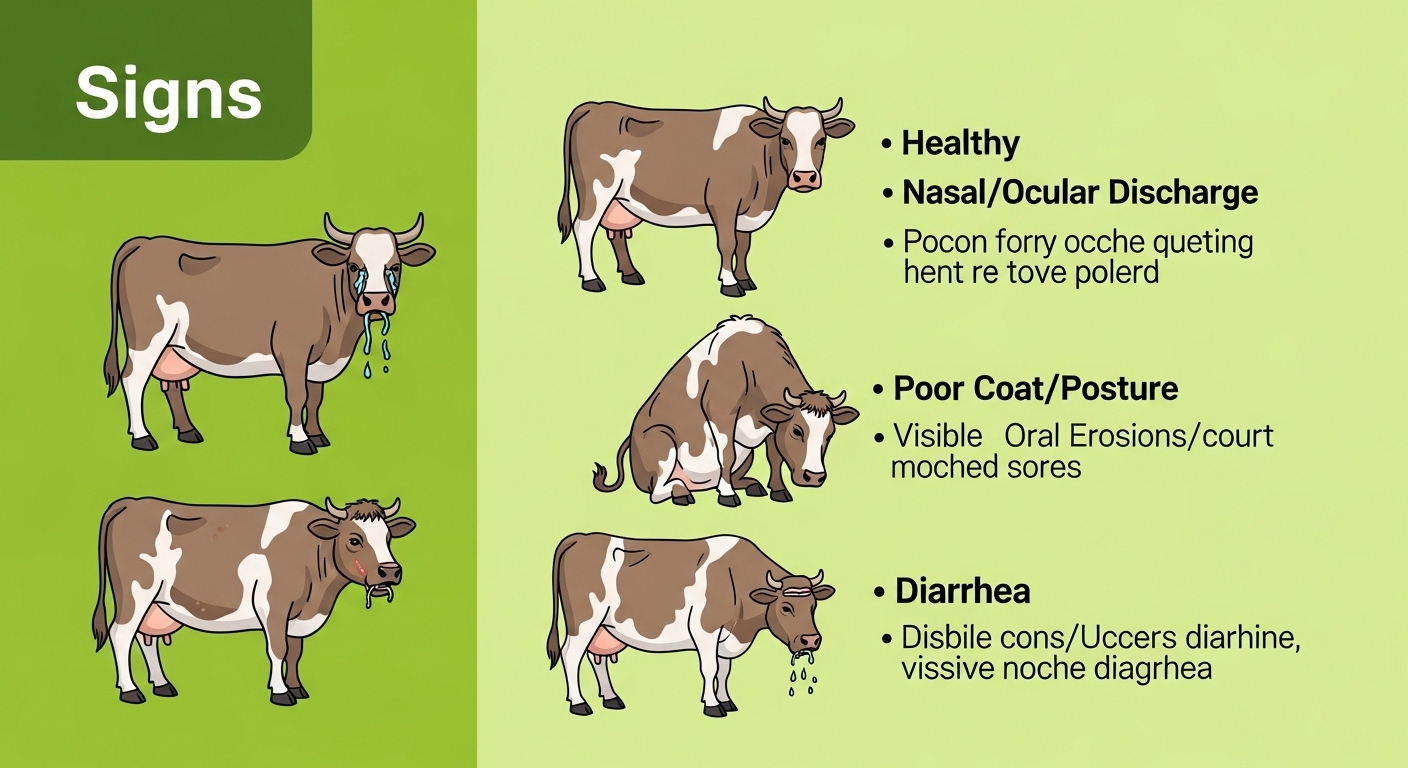
Bovine Viral Diarrhea (BVD) is a significant viral disease affecting cattle globally. Recognizing BVD symptoms is crucial for farmers, veterinarians, and livestock managers to mitigate the negative impact of this virus on herd health. BVD can lead to economic losses due to reduced milk production, poor growth, reproductive issues, and increased susceptibility to other diseases. This article provides an in-depth exploration of BVD symptoms, causes, diagnosis, and preventive measures, ensuring a thorough understanding of this infectious disease.
What is BVD?
Bovine Viral Diarrhea (BVD) is caused by the Bovine Viral Diarrhea Virus (BVDV), a member of the Pestivirus genus within the Flaviviridae family. The virus primarily affects cattle but can occasionally impact other ruminants. BVD can manifest in various forms, from mild subclinical infections to severe acute cases, depending on the strain of the virus and the immunity of the animal.
The disease is broadly categorized into two types: non-cytopathic and cytopathic. The non-cytopathic form is more common and often causes persistent infections, while the cytopathic form leads to more severe and noticeable symptoms. Understanding BVD symptoms is critical because the disease often remains hidden in early stages, making early intervention challenging.
Understanding BVD Symptoms
BVD symptoms vary based on the age of the cattle, the immune status of the herd, and the strain of the virus. Recognizing these symptoms early can prevent widespread infection and help maintain herd productivity.
3.1 Early Signs of BVD
Early detection of BVD symptoms can be difficult, as initial signs are often subtle. Common early symptoms include:
- Mild fever
- Loss of appetite
- Slight nasal discharge
- Occasional diarrhea
- Reduced milk production in lactating cows
At this stage, infected animals may still appear healthy, which can lead to unnoticed virus spread within the herd. These early signs are often mistaken for other minor illnesses, making proper veterinary evaluation crucial.
3.2 Advanced Symptoms
As BVD progresses, symptoms become more pronounced. Severe cases may exhibit:
- Persistent diarrhea
- Ulcerations in the mouth, gums, and nose
- Weakness and lethargy
- Rapid weight loss
- Respiratory distress
- Reproductive issues, including abortion in pregnant cows
These advanced BVD symptoms significantly affect cattle productivity and overall health. Animals with severe symptoms may require immediate veterinary care and isolation to prevent further transmission.
BVD Symptoms in Different Age Groups
BVD symptoms can vary depending on the age of the affected cattle. Understanding these differences is essential for accurate diagnosis and management.
4.1 Calves
Young calves are particularly vulnerable to BVD. BVD symptoms in calves often include:
- Poor growth and stunted development
- Diarrhea that may persist for days
- Increased susceptibility to secondary infections
- Weakness and inability to suckle properly
Calves infected in utero may be born as persistently infected (PI) animals, showing symptoms intermittently but shedding the virus throughout their lives, posing a risk to the entire herd.
4.2 Adult Cattle
Adult cattle may show less obvious BVD symptoms, but the impact on reproductive health is profound. Common signs include:
- Reduced fertility and irregular estrous cycles
- Abortion or stillbirths
- Decreased milk yield
- General malaise and reduced weight gain
The presence of PI animals in a herd can continuously expose adult cattle to BVD, exacerbating reproductive losses and economic consequences.
Causes and Transmission of BVD
BVD is primarily spread through direct contact with infected animals or their bodily fluids, including saliva, nasal secretions, urine, and feces. Persistently infected animals are the most significant source of infection, as they shed the virus continuously.
Other transmission methods include:
- Vertical transmission from cow to fetus
- Contaminated equipment or feed
- Introduction of new animals without proper quarantine
Understanding the transmission pathways is crucial to managing BVD symptoms effectively and preventing outbreaks.
Diagnosis of BVD
Accurate diagnosis of BVD involves clinical observation combined with laboratory testing. While recognizing BVD symptoms provides initial clues, confirmatory tests are essential. Common diagnostic methods include:
- Serological testing for antibodies
- Virus isolation
- Polymerase Chain Reaction (PCR) tests
- Antigen-capture ELISA for detecting persistently infected animals
Early and accurate diagnosis helps in isolating infected cattle, reducing transmission, and implementing targeted management strategies.
Impact of BVD Symptoms on Cattle Health
The presence of BVD symptoms can have widespread consequences on cattle health and farm productivity. Chronic diarrhea, immune suppression, and reproductive failures are among the most concerning effects. Herds with BVD infections often experience:
- Increased mortality in young calves
- Reduced growth rates
- Lower milk production
- Complications due to secondary infections
Economic losses from BVD are not limited to direct health effects but also include costs related to veterinary care, loss of offspring, and reduced market value of affected animals.
Managing and Controlling BVD
Effective management of BVD focuses on minimizing the impact of BVD symptoms and preventing virus spread. Key strategies include:
- Identifying and removing persistently infected animals
- Implementing biosecurity measures to limit contact between infected and healthy cattle
- Regular monitoring and testing for early detection
- Vaccination programs to enhance herd immunity
Proactive management ensures that BVD symptoms are addressed promptly, reducing long-term health and economic consequences.
Prevention Strategies
Preventing BVD is the most efficient way to protect herd health. Prevention strategies include:
- Quarantining new animals before introducing them to the herd
- Maintaining strict hygiene and sanitation protocols
- Vaccination of susceptible animals
- Avoiding contact with cattle from unknown health status
By adhering to preventive measures, farmers can significantly reduce the incidence of BVD symptoms and maintain a healthy, productive herd.
Frequently Asked Questions (FAQs)
Q1: What are the first signs of BVD in cattle? A: Early BVD symptoms include mild fever, loss of appetite, slight nasal discharge, and reduced milk production.
Q2: Can BVD be cured in cattle? A: There is no cure for BVD. Management focuses on controlling symptoms, preventing virus spread, and vaccinating to reduce infection risk.
Q3: Are calves more susceptible to BVD? A: Yes, calves are highly vulnerable, especially if infected in utero, which can result in persistently infected animals.
Q4: How is BVD transmitted among cattle? A: BVD spreads through direct contact with infected animals, bodily fluids, contaminated equipment, and vertical transmission from mother to fetus.
Q5: Can vaccination prevent BVD? A: Vaccination is effective in reducing the incidence of BVD and mitigating BVD symptoms, but it does not eliminate the virus entirely.
Conclusion
Recognizing BVD symptoms is essential for maintaining herd health and preventing economic losses in cattle farming. From subtle early signs to severe advanced manifestations, timely identification, and management play a crucial role in controlling this pervasive viral disease. Preventive measures, including vaccination, proper biosecurity, and regular monitoring, are key strategies in safeguarding cattle against BVD. By understanding and addressing BVD symptoms, farmers can ensure a healthier, more productive herd while mitigating the long-term impacts of this viral infection.


