


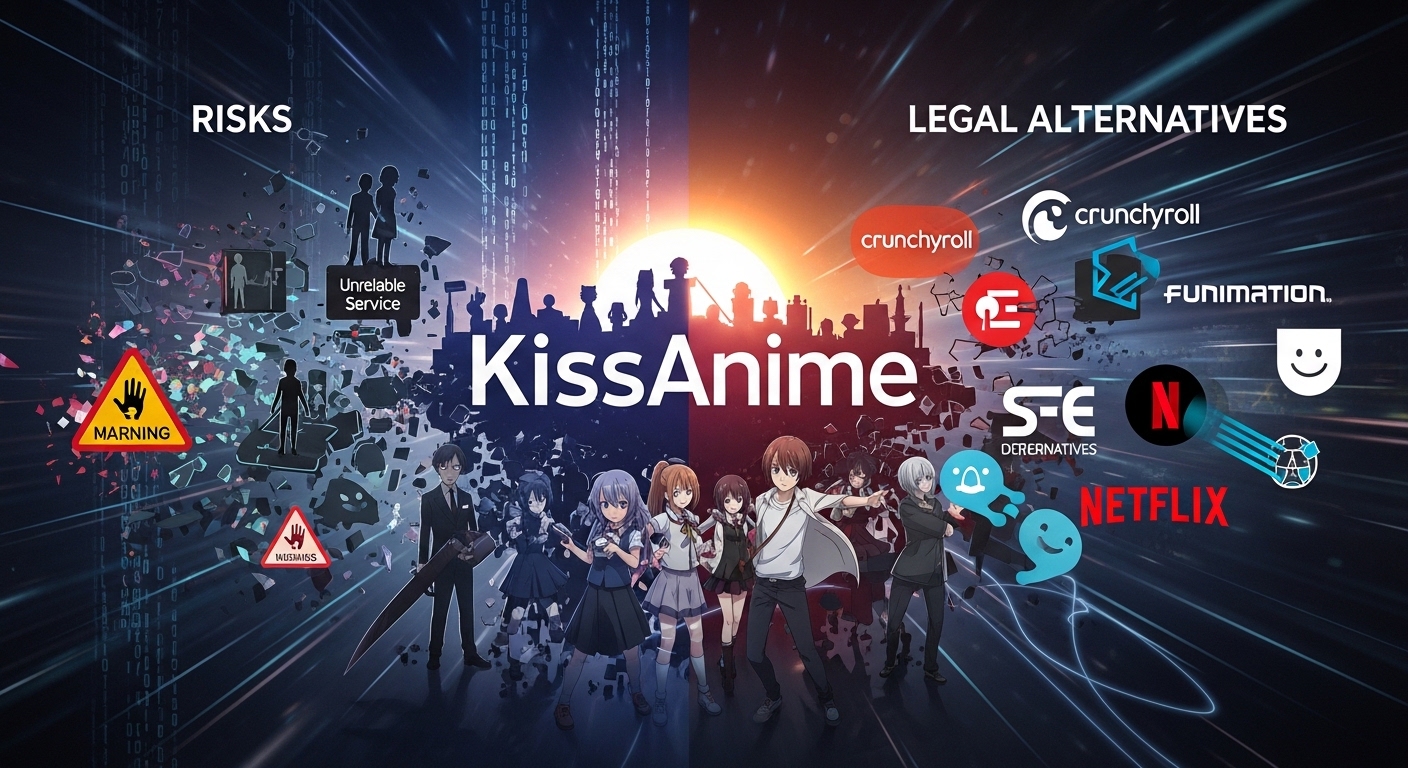
The digital age has transformed how audiences around the world enjoy visual entertainment. Anime, a form of animation that originated in Japan, surged in global popularity over the last two decades. Alongside the growth of legitimate streaming services, several unauthorized platforms emerged, capturing attention for offering vast libraries of content without traditional paywalls or region restrictions.
Among these, kissanime became one of the most talked‑about names. It sparked excitement among fans, controversy among industry professionals, and a mixture of admiration and criticism from the public. In this article, we will explore the nuanced story surrounding its rise, cultural significance, legal challenges, and the broader implications for digital media consumption.
Understanding the Kissanime Phenomenon
To understand the broader implications of digital media consumption today, it helps to examine the role of kissanime in shaping fan expectations. This platform became emblematic of how audiences seek convenient access to their favorite shows. It offered a seemingly endless catalog — from classic series to the latest episodes — often without the restrictions seen on official platforms.
However, the conversation around such services goes far beyond mere access. It involves the legal frameworks that govern creative work, the economic realities of anime production, and questions about what viewers owe to the artists and studios behind the content they enjoy.
Historical Background of Online Anime Platforms
The evolution of anime distribution online did not happen overnight. It was shaped by cultural forces, technological advances, and shifting consumer behavior.
Origins of Streaming Culture
Before streaming became mainstream, anime fans often relied on physical media, television broadcasts, or local festivals to access content. With the advent of high‑speed internet and video compression technology, the possibility of watching shows directly in a web browser or through a dedicated app became more realistic. Early platforms experimented with hosting libraries of content — often with shaky legal footing.
The Rise of Fan Communities
Fan communities played a central role in the spread of anime culture internationally. Forums, fan art sites, and subtitle groups built networks that transcended national borders. The desire to understand and share favorite series in multiple languages encouraged informal distribution that eventually evolved into streaming hubs.
Why Kissanime Gained Massive Popularity
The sudden rise of kissanime was not purely coincidental. Several factors aligned to make it a go‑to destination for many fans.
Accessibility and User Experience
One of the key attractions was how readily viewers could find and play episodes without signing up, entering credit card information, or navigating region locks. For new fans eager to explore popular series immediately, this ease of access was compelling.
Global Anime Interest Explosion
During the 2010s, anime exploded in global popularity thanks to social media, international marketing, and crossover hits that entered mainstream consciousness. As demand grew, so did the appeal of platforms that appeared to offer vast collections in one place.
Legal and Ethical Implications
Despite its popularity among some viewers, kissanime also raised significant legal and ethical concerns.
Copyright and Intellectual Property
Anime creators and studios hold copyrights on their work. These legal protections exist to ensure creators can earn recognition and compensation for their efforts. Services that host or link to copyrighted content without permission operate outside established intellectual property laws in most jurisdictions.
Unauthorized streaming can harm the individuals and companies behind beloved series — from animators and voice actors to composers and production staff — who rely on legitimate distribution channels for revenue.
How Rights Holders View Unauthorized Streaming
Industry stakeholders, including major Japanese studios and international licensors, have taken steps to combat unauthorized distribution. These efforts include issuing takedown notices, collaborating with internet service providers, and strengthening regional streaming options. The intent is not merely punitive but aimed at promoting a sustainable ecosystem where creative work can thrive.
Content Quality and User Safety Concerns
While the appeal of free access is understandable, there are risks associated with unofficial streaming services.
Risks of Malware and Data Exposure
Unofficial platforms often generate revenue through ads and third‑party scripts. Some of these can expose users to malware or track personal data without clear disclosure. The potential for security vulnerabilities means that viewers may inadvertently compromise their own devices.
Misleading Ads and Pop‑Ups
The user experience on unauthorized sites can differ significantly from official platforms. Frequent pop‑ups, misleading download buttons, and deceptive advertisements create an environment where users may be tricked into installing unwanted software or sharing personal information.
Anime Industry’s Response
Recognizing both the popularity and the challenges of unauthorized distribution, the anime industry has responded with several strategic efforts.
Licensed Streaming Platforms
Licensed services such as Crunchyroll, Funimation (now part of Crunchyroll), Netflix, Hulu, and local broadcasters offer extensive anime libraries with subtitles or dubs in multiple languages. Many also simulcast new episodes shortly after they air in Japan. These options provide legal alternatives that compensate the creators and respect intellectual property.
Local Distribution and Official Releases
Beyond streaming, physical media releases (Blu‑ray, DVD), licensed merchandise, and official events help connect fans to the industry in ways that support both creators and local markets. Fans who want to contribute to the sustainability of their favorite series are increasingly turning to these legal avenues.
Cultural Impact of Free Anime Platforms
Despite legal challenges, there is no denying that platforms like kissanime played a role in shaping global anime culture.
Community Building
For many, these platforms were entry points into a vibrant, international community. Fans discovered new genres, exchanged recommendations, and formed lasting connections based on shared interests. This phenomenon helped elevate anime from a niche hobby to a global cultural force.
Subculture and Fan Creativity
Free access also contributed to fan creativity. Fan fiction, fan art, AMVs (anime music videos), and discussion forums all blossomed as fans immersed themselves in diverse series. While appreciation for creative work is positive, it remains important to distinguish between celebrating art and undermining the rights of the artists who produce it.
Alternatives for Legal and Safe Anime Viewing
If you are an anime fan seeking to watch your favorite shows, considering legal and safe alternatives is both responsible and rewarding. Some options include:
-
Licensed Streaming Services: Platforms with licensing agreements ensure creators earn revenue.
-
Local Broadcasters: In some regions, anime airs on television through local networks.
-
Official Blu‑ray and DVD Releases: Supporting physical media directly benefits producers.
-
Anime Festivals and Screenings: Live events celebrate the art form and connect fans.
These avenues often include subtitles in multiple languages and contribute to the long‑term health of the industry.
Conclusion
The story of kissanime reflects the complexities of digital media consumption in the 21st century. On one hand, it highlighted the passionate demand for anime content and helped build global fandom. On the other, it embodied serious legal, ethical, and safety concerns that cannot be overlooked.
As the anime industry evolves and expands worldwide, fans have more legal options than ever before to enjoy content while supporting the creators who bring stories to life. Understanding the implications of unauthorized platforms — and choosing responsible alternatives — helps ensure that anime continues to thrive as a creative and cultural phenomenon.
Frequently Asked Questions (FAQs)
Q1: What was Kissanime?
A: It was a widely recognized online platform known for hosting anime content without official licensing. While it attracted fans seeking free access, it operated outside copyright norms and posed risks to users and creators.
Q2: Is watching anime on unauthorized sites legal?
A: In most countries, consuming copyrighted content through unlicensed platforms violates intellectual property laws and potentially exposes users to other legal or security risks.
Q3: Why did unauthorized anime sites become popular?
A: Their ease of access, vast libraries, and lack of region restrictions appealed to audiences worldwide, especially where official content was limited or delayed.
Q4: Are there safer alternatives to illegal streaming?
A: Yes. Many licensed streaming services, local broadcasters, and physical media options provide legal ways to watch anime.
Q5: How does piracy affect anime creators?
A: It can reduce revenue for studios, animators, voice actors, and other creative professionals, making it harder for them to sustain production and earn fair compensation.
Disclaimer
This article is provided for informational and educational purposes only. It does not promote or endorse the use of unauthorized streaming services or copyright infringement. The discussion focuses on the cultural and legal aspects of digital media distribution and encourages readers to choose licensed, safe alternatives for enjoying anime.
“If you’re interested in high-quality sports gear like volleyball shorts, you might also enjoy our article on ‘Bruder Mask‘ for insights on premium protective masks and accessories.”


