


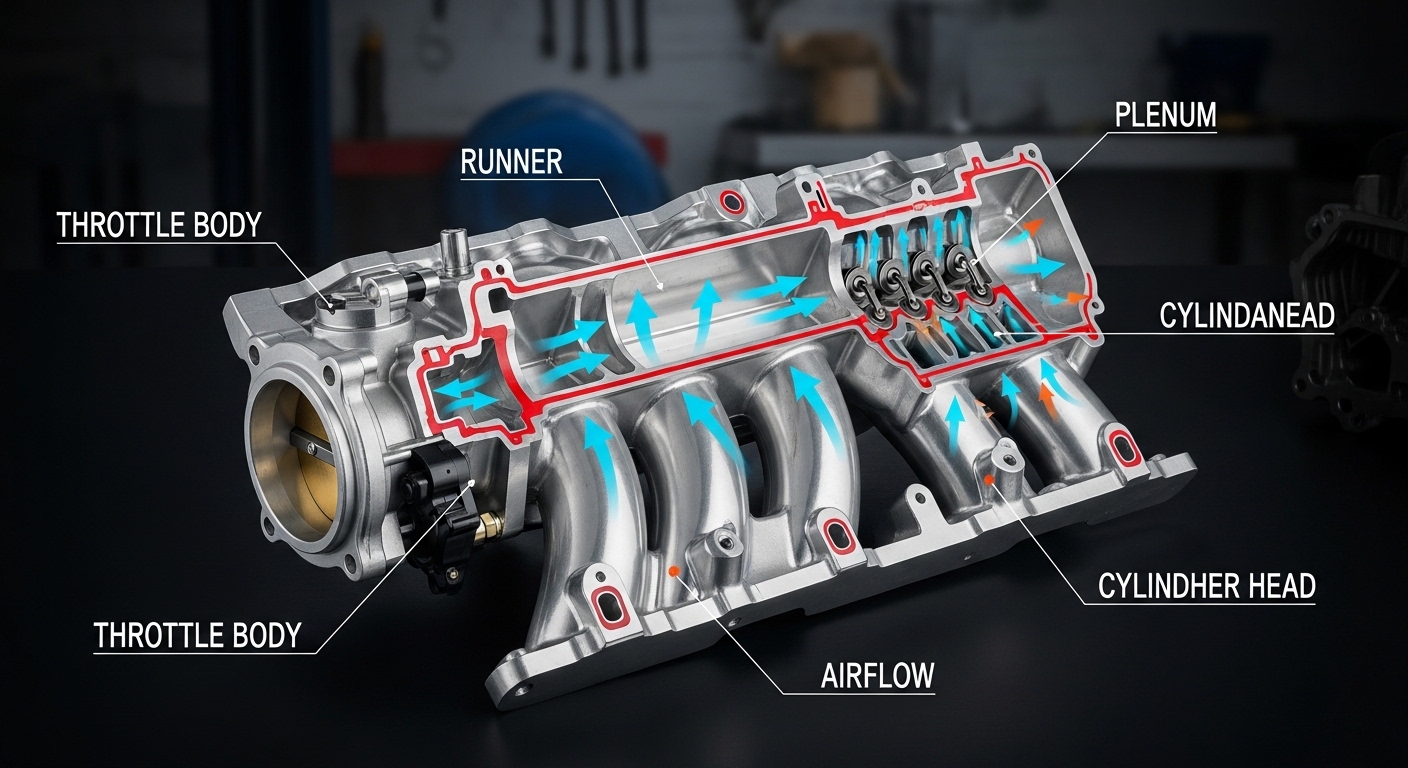
The intake manifold is one of the most vital yet often overlooked components in a car’s engine. While many car enthusiasts focus on the more glamorous parts of their vehicles, such as turbochargers or exhaust systems, the intake manifold plays a crucial role in the engine’s overall performance and efficiency. In essence, it serves as the pathway through which air reaches the engine’s combustion chambers, directly impacting power, fuel efficiency, and emissions.
Understanding the intake manifold is essential for both automotive professionals and everyday car owners who want to ensure their vehicles operate at peak performance. This article delves into everything you need to know about intake manifolds, from their design to maintenance, exploring how this component shapes the engine’s behavior.
What is an Intake Manifold?
An intake manifold is a series of tubes that distribute air or air-fuel mixture to each cylinder in an internal combustion engine. Its design ensures that the correct volume of air reaches each cylinder, maintaining optimal combustion and efficiency. In modern engines, the intake manifold also integrates with sensors, throttle bodies, and fuel injectors, making it a central hub for engine air management.
At its core, the intake manifold is about balance. Without it, air would enter the cylinders unevenly, leading to poor combustion, lower efficiency, and increased emissions. Its importance cannot be overstated—it is literally the heart of the engine’s air intake system.
History and Evolution of Intake Manifolds
The concept of the intake manifold dates back to the earliest internal combustion engines. In early designs, air entered the engine through a simple tube or passage, but as engine power increased, manufacturers recognized the need for a more refined distribution system.
By the mid-20th century, intake manifolds evolved into sophisticated designs featuring multiple runners and plenum chambers. These designs allowed for better air distribution, more consistent cylinder filling, and improved performance across a wider range of engine speeds. Today, variable intake manifolds, which adjust the length of runners depending on engine speed, represent the cutting edge of intake design, providing both efficiency and high performance.
Purpose and Function
The primary function of an intake manifold is straightforward: deliver air (or an air-fuel mixture) to each cylinder in the engine. However, its role is more complex than merely serving as a conduit.
-
Air Distribution: Each cylinder in an engine requires a precise amount of air for combustion. The intake manifold ensures that air reaches all cylinders evenly, preventing engine misfires and promoting consistent power output.
-
Enhancing Performance: By carefully shaping the pathways, the intake manifold can create a “ram effect” that increases air pressure entering the cylinders at certain engine speeds, thereby improving horsepower and torque.
-
Supporting Fuel Efficiency: Efficient air distribution leads to better combustion, which reduces fuel consumption and emissions. A poorly designed or damaged intake manifold can lead to significant fuel inefficiency.
Design and Components of an Intake Manifold
The design of an intake manifold has a significant impact on engine performance. Most intake manifolds consist of the following components:
-
Plenum: The central chamber that collects air before distributing it to the runners.
-
Runners: Tubes that direct air from the plenum to individual cylinders.
-
Throttle Body (in modern engines): Regulates airflow into the manifold based on driver input.
-
Gaskets and Seals: Prevent air leaks that could reduce engine efficiency.
Single-plane vs. Dual-plane Manifolds
Intake manifolds are often categorized into single-plane or dual-plane designs:
-
Single-plane manifolds feature a single plenum with direct runners to each cylinder. They are ideal for high-RPM engines, providing better airflow and peak performance but sacrificing low-speed torque.
-
Dual-plane manifolds have two plenum sections and runners that split air delivery. This design offers better low-to-mid RPM torque, making it ideal for street vehicles and everyday driving.
Materials Used in Intake Manifolds
Historically, intake manifolds were made from cast iron, offering durability but adding weight. Modern intake manifolds often use aluminum or composite plastics, reducing weight while improving heat resistance and airflow efficiency. Material selection also influences thermal characteristics, affecting air density and, subsequently, engine performance.
How the Intake Manifold Affects Engine Performance
The intake manifold directly impacts engine performance in several ways:
-
Power Output: By controlling airflow into the cylinders, the intake manifold can optimize combustion, increasing horsepower and torque.
-
Throttle Response: Efficient air delivery results in quicker throttle response, improving acceleration and drivability.
-
Fuel Economy: Even air distribution ensures complete fuel combustion, reducing fuel wastage and harmful emissions.
-
Engine Smoothness: Balanced airflow prevents cylinder misfires, contributing to smoother engine operation.
The design, length of runners, plenum volume, and integration with sensors and variable systems all determine how effectively an intake manifold can influence engine performance.
Common Problems with Intake Manifolds
Despite their durability, intake manifolds are not immune to problems. Common issues include:
Leaks
Air leaks are one of the most frequent problems. A cracked manifold or damaged gasket can allow unmetered air to enter the engine, leading to poor performance, rough idling, and engine warning lights.
Carbon Build-up
Over time, carbon deposits can accumulate inside the manifold, restricting airflow and reducing efficiency. This is especially prevalent in engines with direct injection systems.
Cracks and Warping
Excessive heat cycles can cause metal manifolds to warp or crack. This structural damage can lead to vacuum leaks and compromised engine performance.
Addressing these issues promptly ensures the intake manifold continues to operate efficiently and protects other engine components from damage.
Modern Innovations in Intake Manifolds
Automotive engineers continue to innovate in intake manifold design to maximize engine performance and efficiency. Modern developments include:
-
Variable Intake Systems: Adjustable runner lengths to optimize airflow at different engine speeds.
-
Integrated Sensors: Modern manifolds may include airflow sensors, temperature sensors, and even fuel injectors.
-
Composite Materials: Lightweight plastics that improve airflow and reduce engine weight.
These advancements allow modern vehicles to achieve higher power outputs, lower emissions, and better fuel efficiency, all thanks to the intake manifold.
Maintenance and Care
Proper maintenance of the intake manifold is essential for long-term engine health. Regular inspection for leaks, cleaning to remove carbon buildup, and checking the integrity of gaskets and seals are key practices. In addition, following manufacturer guidelines for engine service intervals helps ensure that the manifold continues to operate at peak efficiency.
While the intake manifold is often overlooked, neglect can lead to costly repairs and reduced engine performance. By investing in routine care, drivers can prolong the life of their vehicle and maintain optimal performance.
Conclusion
The intake manifold is far more than a simple conduit for air; it is a critical component that influences engine performance, fuel efficiency, and longevity. From its historical development to modern innovations, the intake manifold has evolved into a sophisticated part of the engine system. Understanding its purpose, design, and potential issues empowers car owners and enthusiasts to make informed decisions about maintenance, upgrades, and troubleshooting.
By prioritizing intake manifold care and recognizing its role in overall engine dynamics, you ensure that your vehicle continues to operate efficiently and reliably for years to come.
Frequently Asked Questions (FAQs)
1. What is the main function of an intake manifold?
The intake manifold distributes air or an air-fuel mixture evenly to each cylinder in the engine, ensuring optimal combustion and performance.
2. Can a faulty intake manifold affect fuel efficiency?
Yes, leaks, cracks, or carbon buildup in the intake manifold can lead to incomplete combustion, reducing fuel efficiency and increasing emissions.
3. How do single-plane and dual-plane intake manifolds differ?
Single-plane manifolds are designed for high-RPM performance, while dual-plane manifolds enhance low-to-mid RPM torque for everyday driving.
4. What materials are commonly used for intake manifolds?
Modern intake manifolds are usually made from aluminum or composite plastics for weight reduction and improved airflow, while older models used cast iron.
5. How can I maintain my intake manifold?
Regular inspection for leaks, cleaning carbon buildup, checking gaskets, and following manufacturer service guidelines will help maintain intake manifold performance.


